${ product.name }
${ product.typeTitle }
Item no ${ product.sku }
- ${ setting }
- ${ product.variantName}
Hospice case
Diakonissestiftelsen’s hospice has been praised for its innovative work and distinctive space in central Copenhagen. Here, its newly retired director Helle Tingrupp speaks about the balance between aesthetic considerations, practical functionality, and the deeply human aspect of end-of-life care.
Connecting the project to Muuto’s ongoing exploration of neuroaesthetics, founder and executive director of the groundbreaking International Arts + Mind Lab (IAM Lab), Susan Magsamen, offers some of her insights into why these principles work in practice.
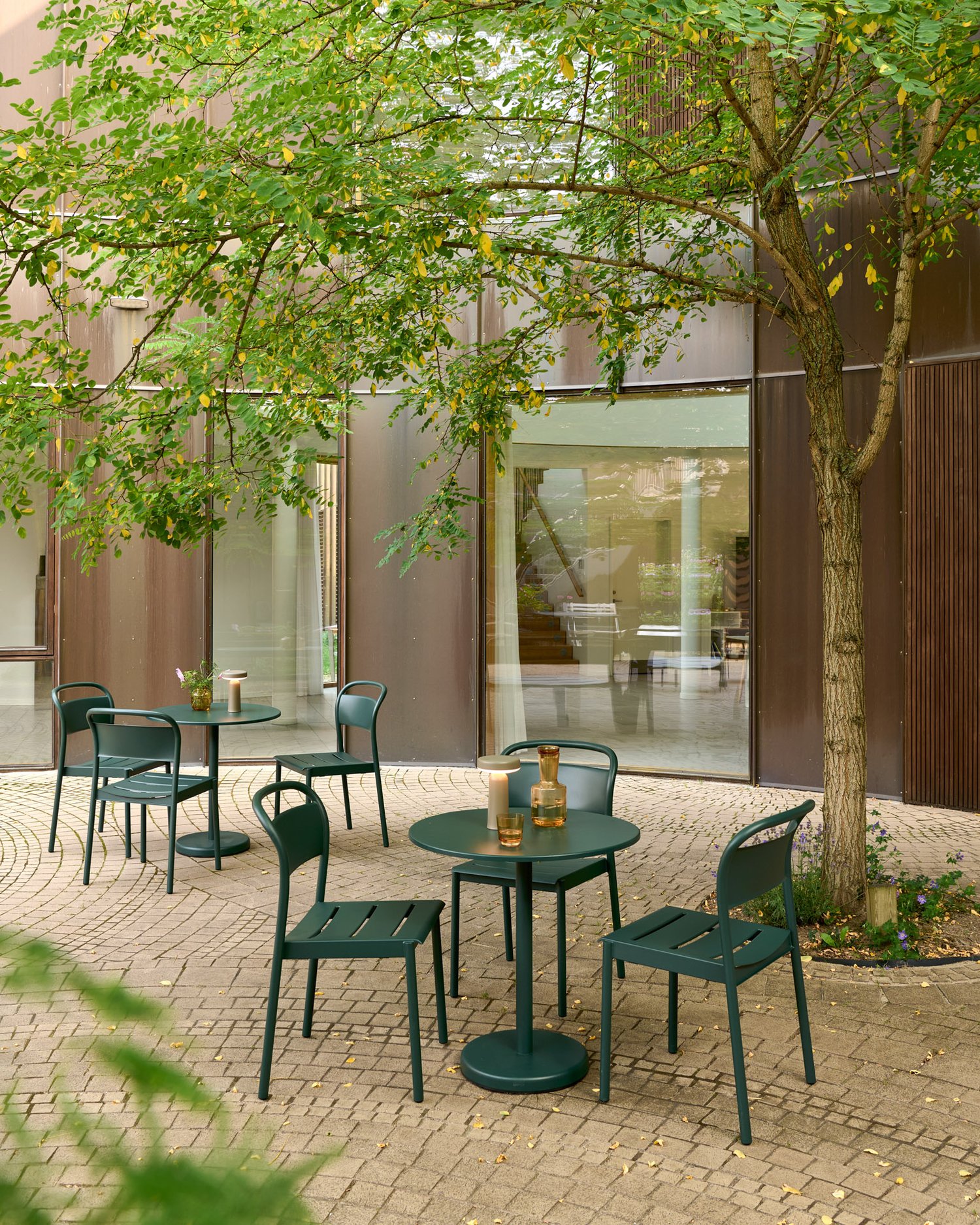
Diakonissestiftelsen’s hospice is renowned for its approach to end-of-life-care, transforming decades of experience, tacit knowledge and leading research on neuroaesthetics into a tangible space. One that makes a great impression on anyone who passes through its doors.
“This hospice and its spirit was conceived as a space where care goes beyond the clinical to encompass the emotional, spiritual, and aesthetic needs of patients and their families. Over the years, we’ve learned that the environment plays a crucial role in the well-being of our patients,” says Helle Tingrupp.
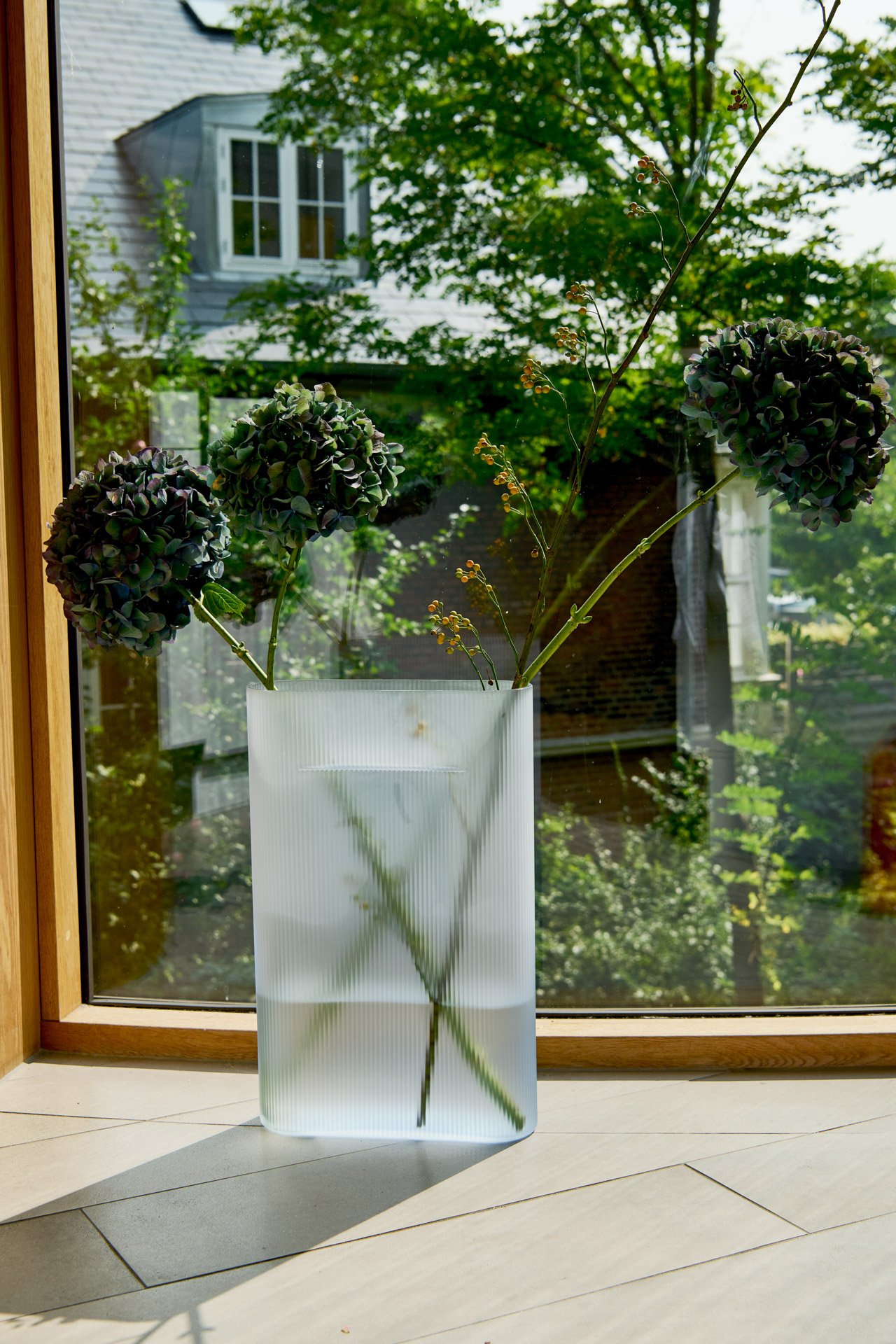
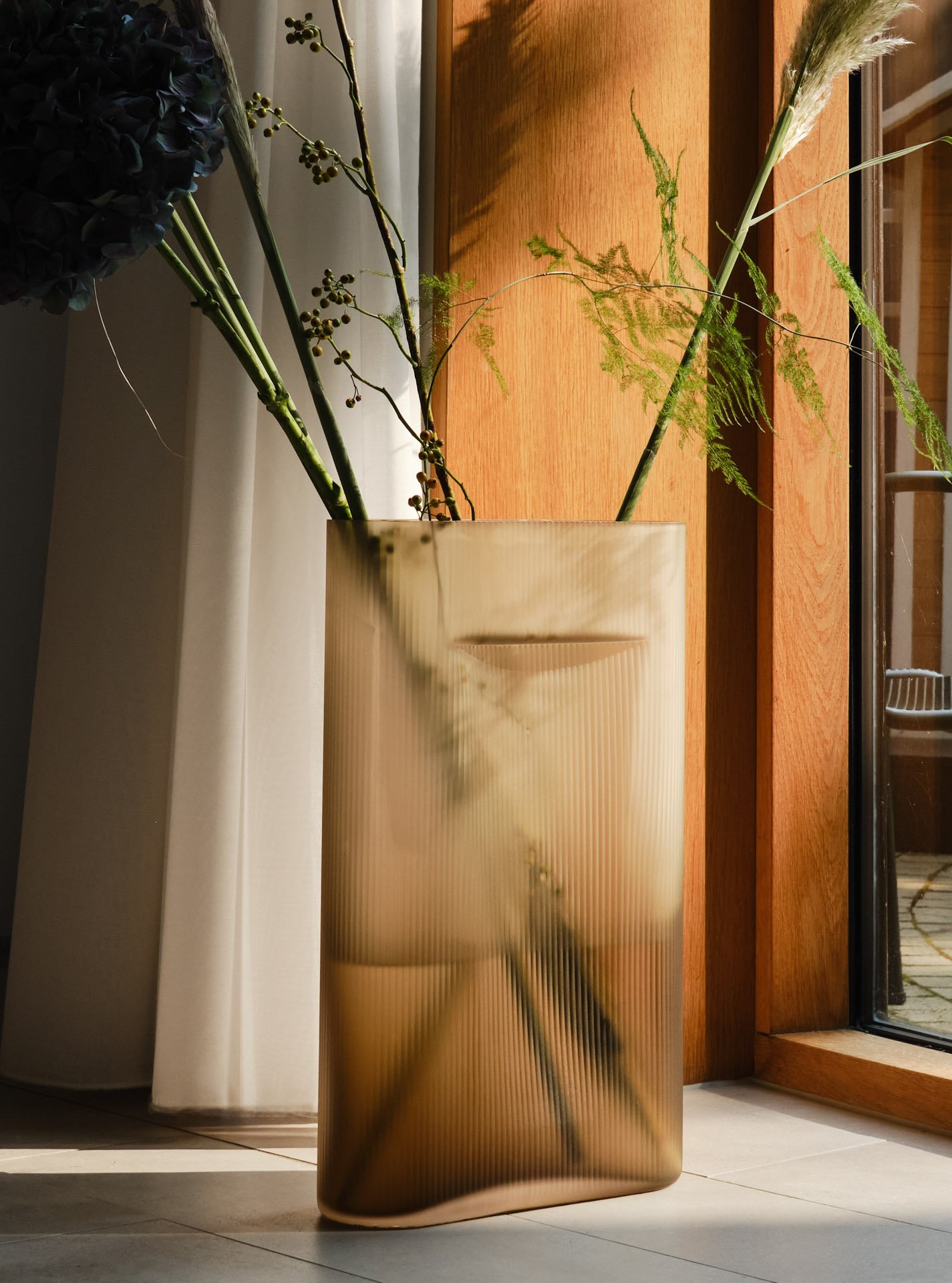
“This hospice and its spirit was conceived as a space where care goes beyond the clinical to encompass the emotional, spiritual, and aesthetic needs of patients and their families. Over the years, we’ve learned that the environment plays a crucial role in the well-being of our patients.”— Helle Tingrupp
Neuroaesthetics and well-being
As we now know, a range of aesthetic impulses and experiences affect the way that we feel and heal. The field of neuroaesthetics explores how our brains respond to these impressions, revealing the profound impact of design on human emotions and physiology.
Elements such as color, form, light, nature, and tactility activate the brain’s reward system similarly to other pleasurable activities. This has tangible implications for our health and well-being, including stress reduction, mood improvement, and enhanced cognitive function.
Applying intuition and knowledge
Intuitively aligning with this knowledge, Diakonissestiftelsen has developed principles that integrate nature, art, and design into the care environment. These principles are encapsulated in a toolbox that informs decisions on artwork, colors, furniture, materials, and the creation of adaptable spaces to meet the needs of patients and families.
“We strive to create an atmosphere that feels welcoming and serene, challenging the traditional, somber perceptions of a hospice. Our goal is to build a hospice that feels both like home and a place of care. We need both openness and privacy.”
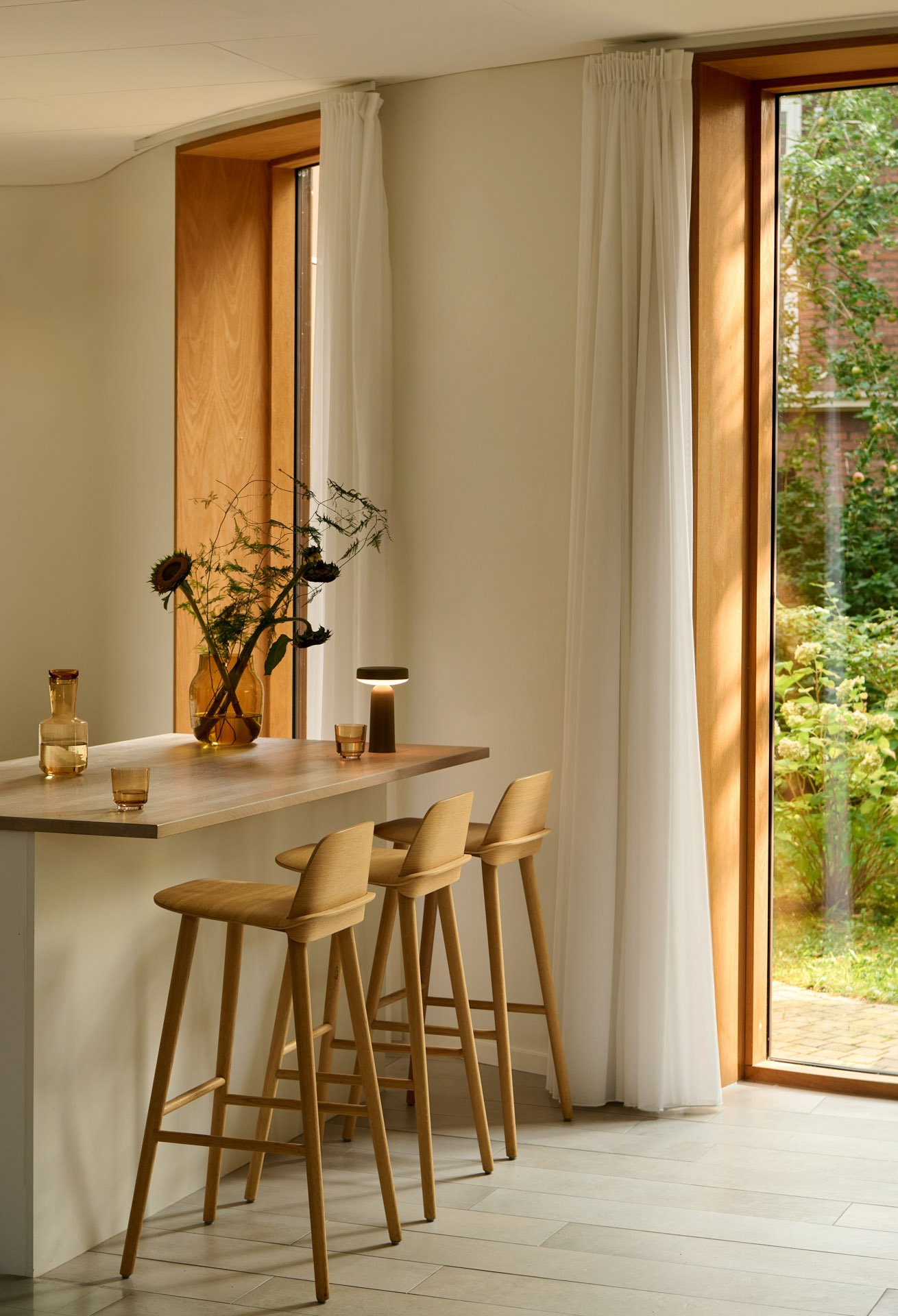
Working in close collaboration with the architects, they arrived at an open and inviting rounded common room that breaks up the long and impersonal corridors often seen in hospitals, making way for intimate spaces within the structure.
“Throughout the years, we have learned that families want to be part of the community, but also have the option to take a step back and be alone. This is reflected in the design of the common room. These areas are designed to be flexible and supportive, accommodating larger communal activities like Friday singing and dinners, as well as more private moments.”
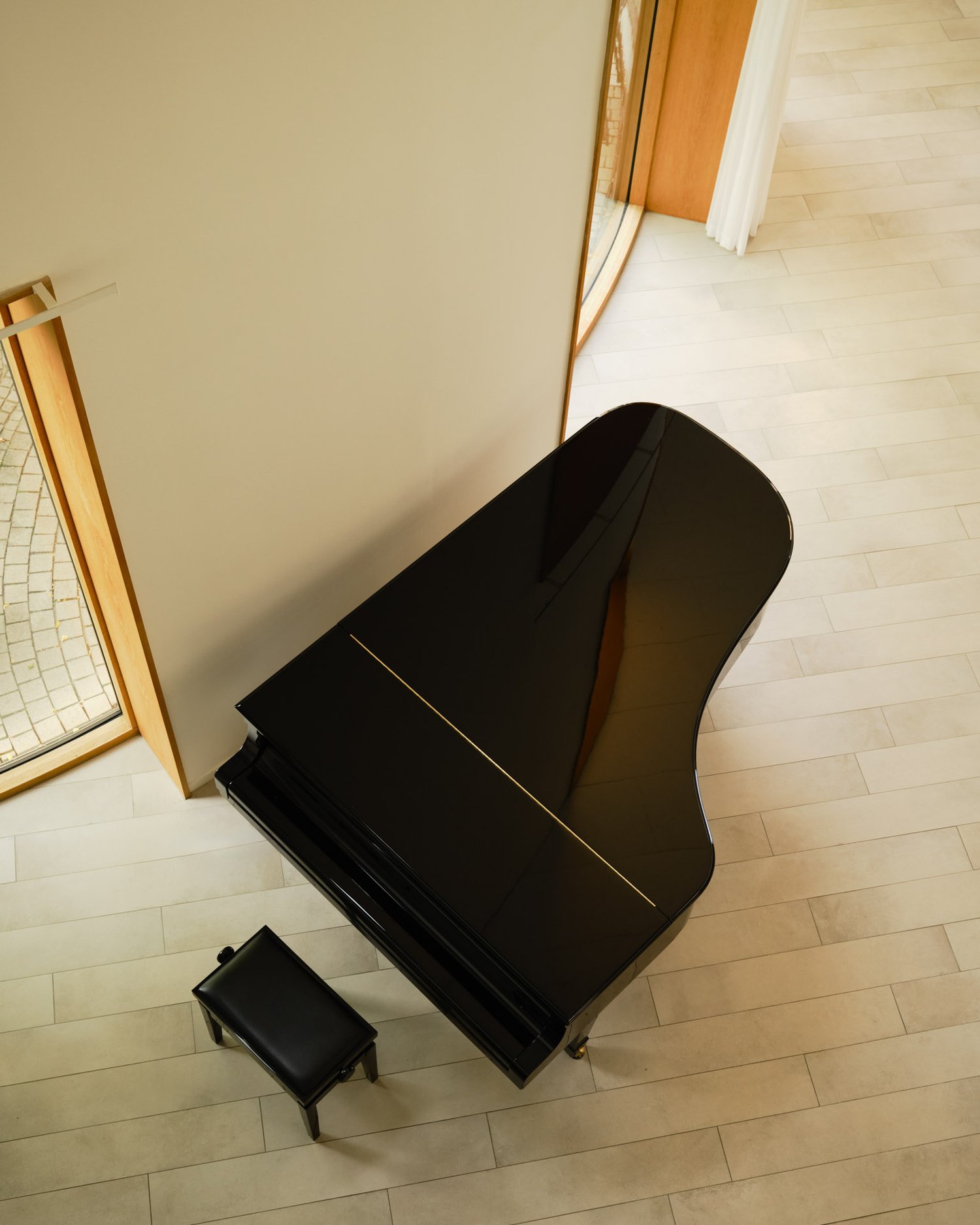
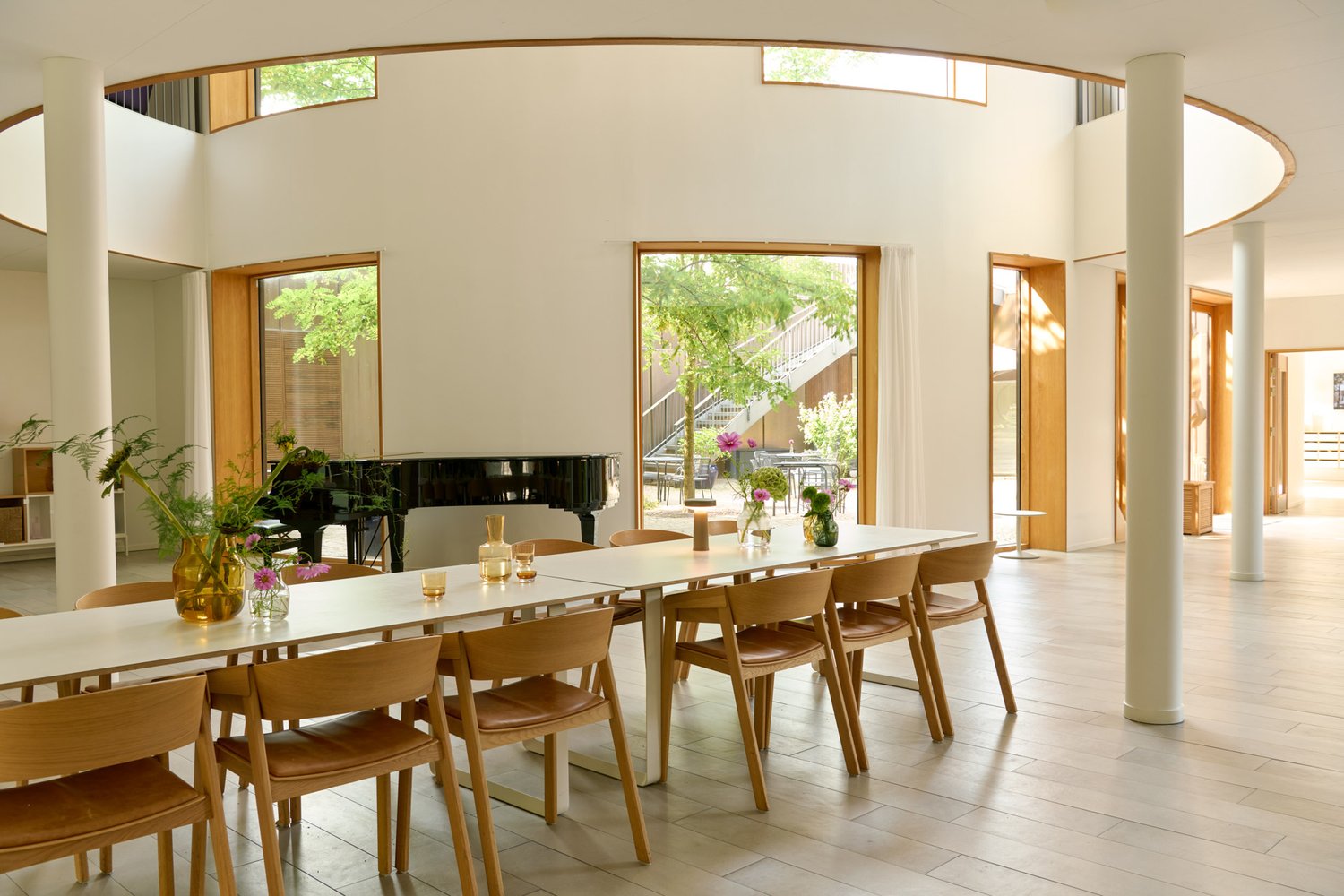
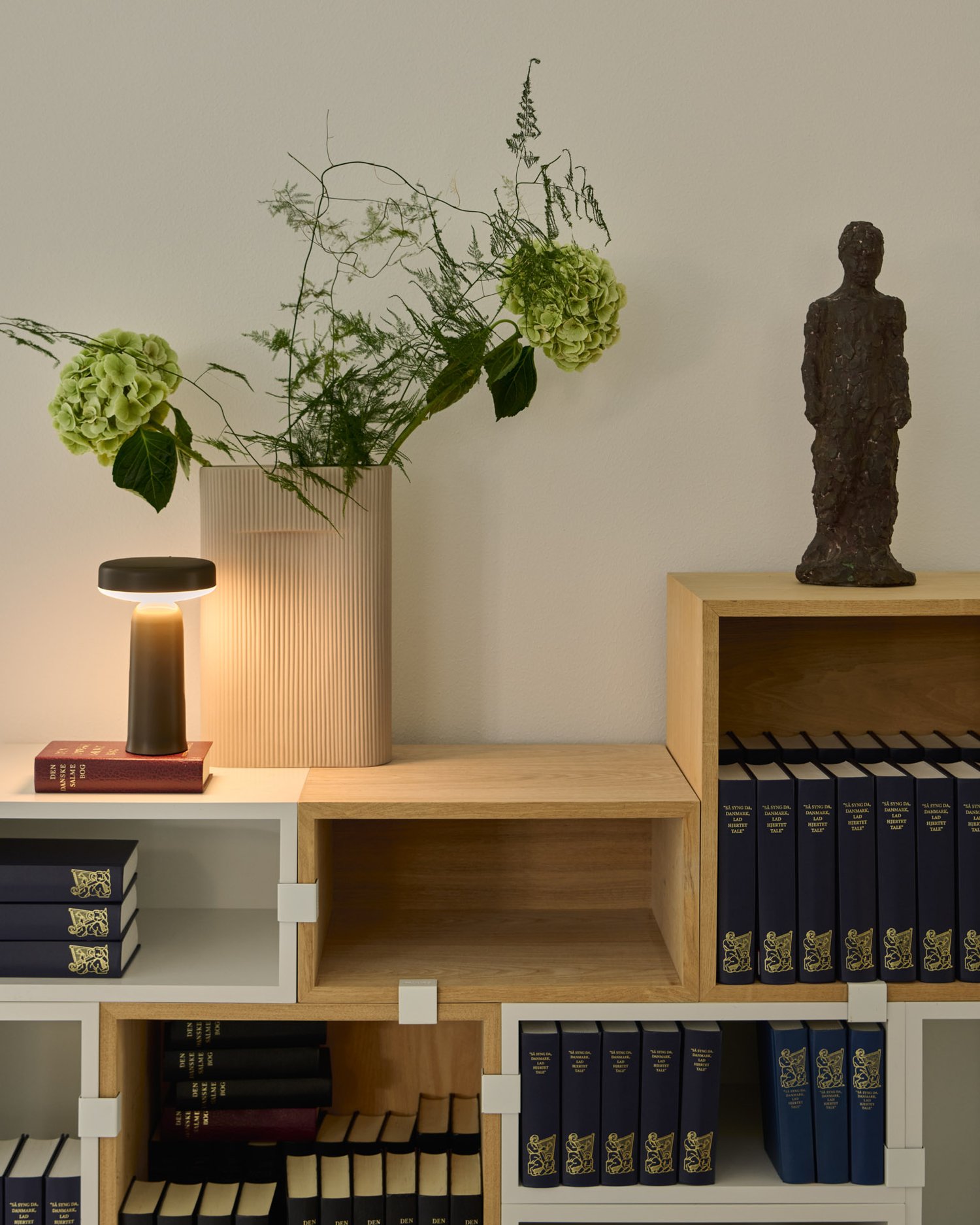
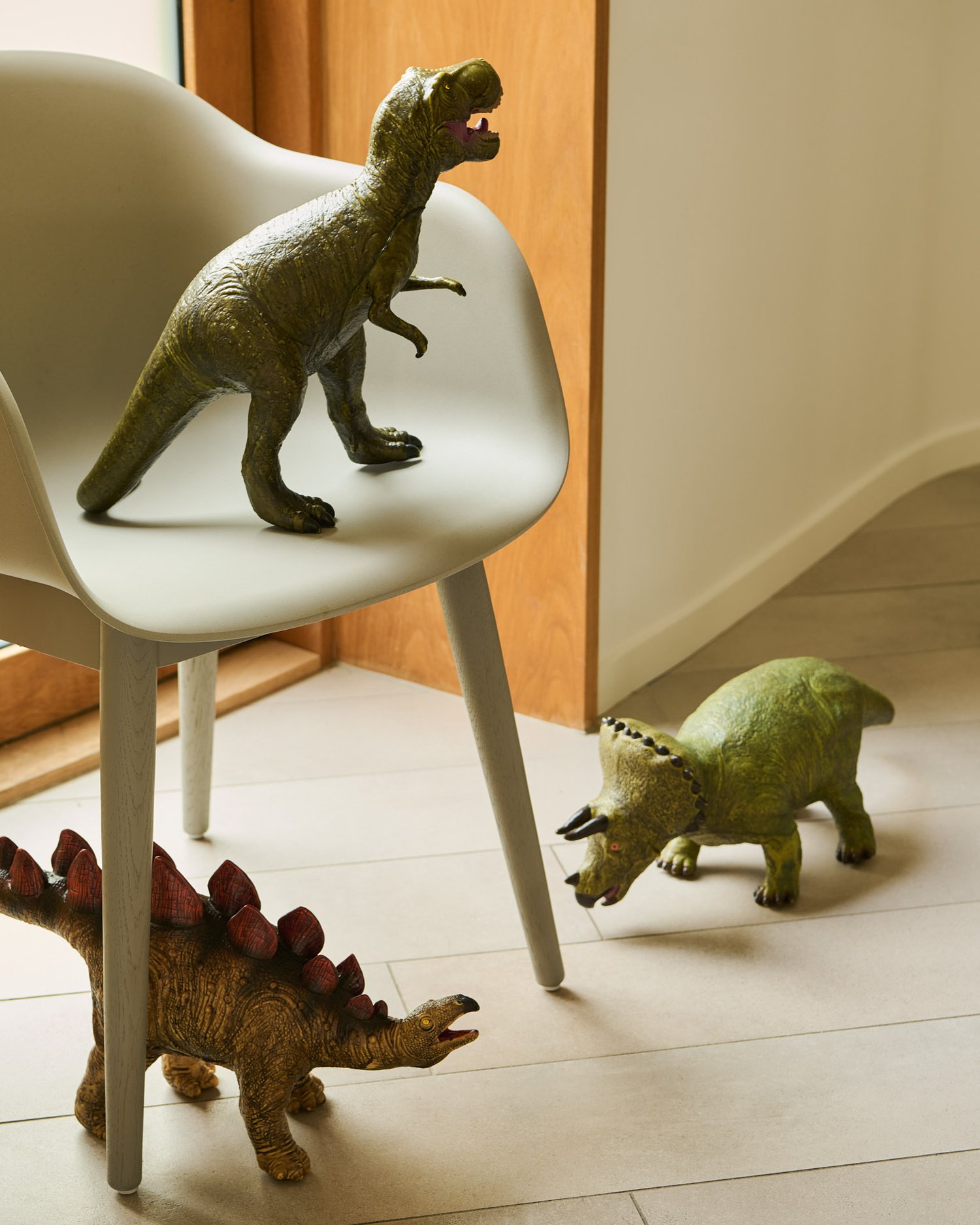
“We strive to create an atmosphere that feels welcoming and serene, challenging the traditional, somber perceptions of a hospice. Our goal is to build a hospice that feels both like home and a place of care. We need both openness and privacy.”Helle Tingrupp
Welcoming nature in
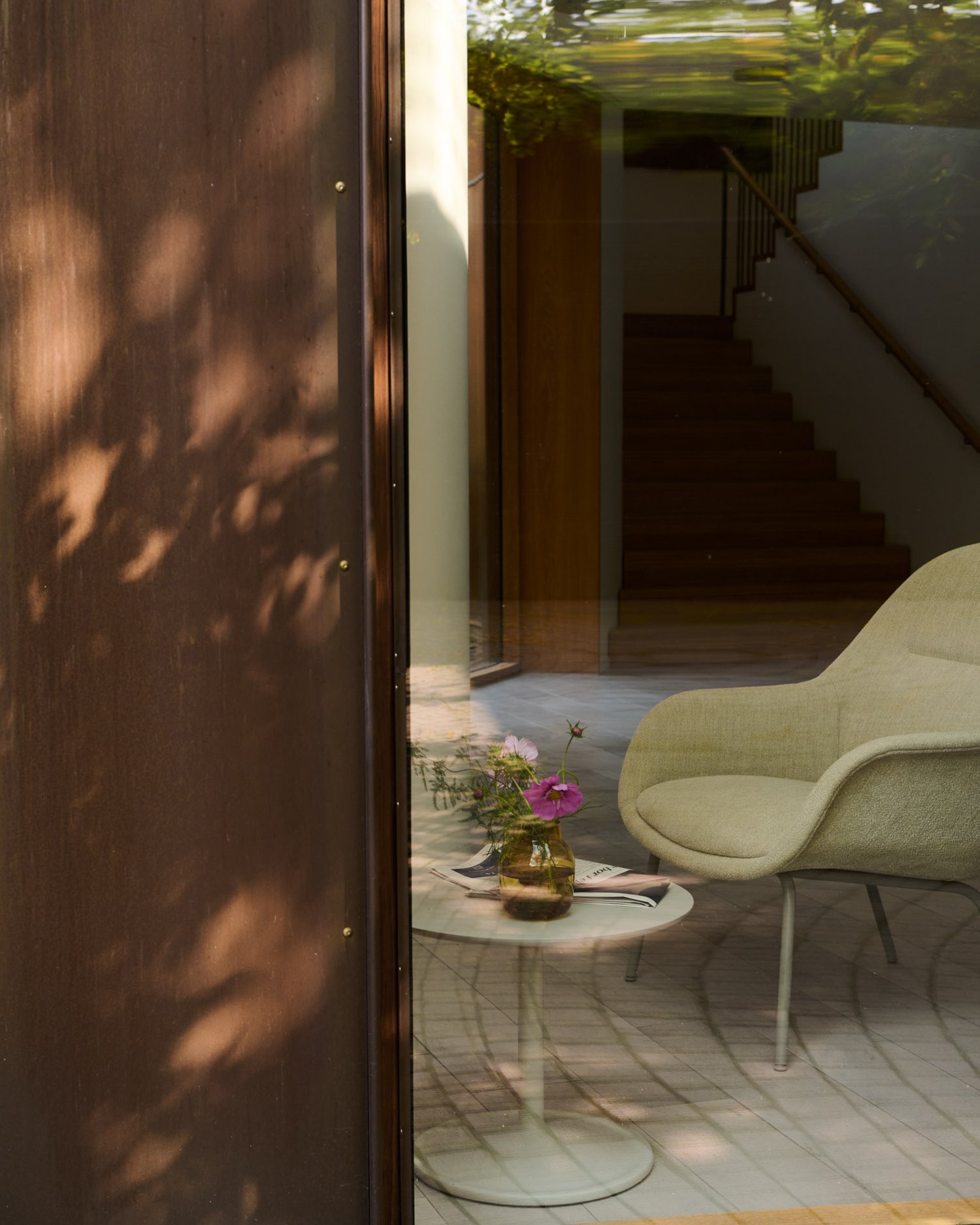
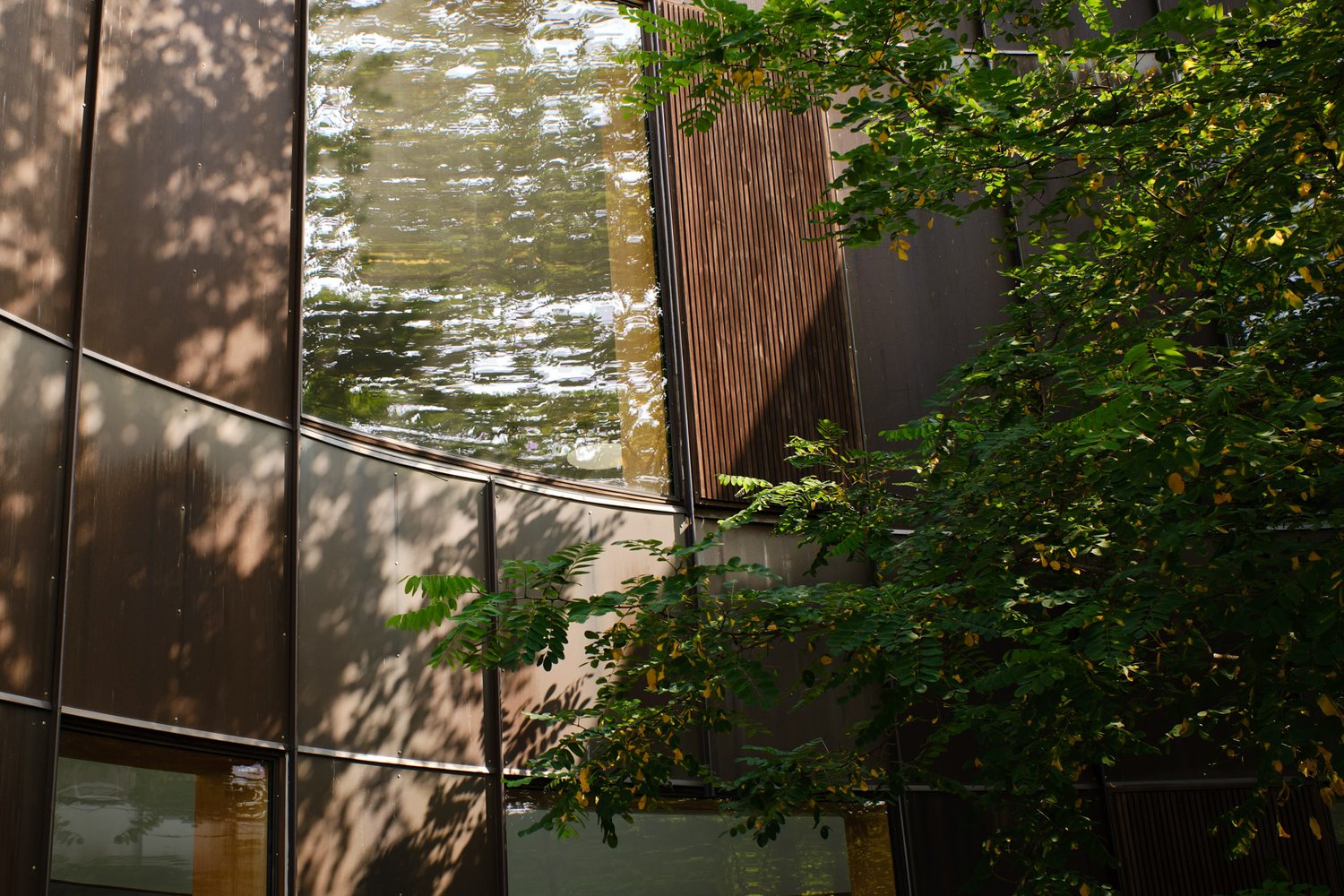
Many of these rooms overlook a central courtyard, the green heart of the building, or the expansive outdoor terrace, where many find solace and ease throughout the day. Natural elements like fresh air, natural light, and greenery are essential for well-being and help lower cortisol levels.
Tingrupp explains: “The integration of natural elements, despite the urban location, is another key aspect of the design. Patients have views of nature, even though we’re in the city. This connection to the outside world is crucial for their well-being,” Susan Magsamen agrees: “Research into environmental psychology suggests that we feel more connected to places that incorporate elements of nature or biophilic design. Natural light, plants, and natural materials can help reduce stress, improve cognitive function, and promote well-being and recovery.”
Sensing home
This is equally reflected in the choice of natural materials, chosen not only for their beauty and durability, but also for bringing a sense of home to the hospice.
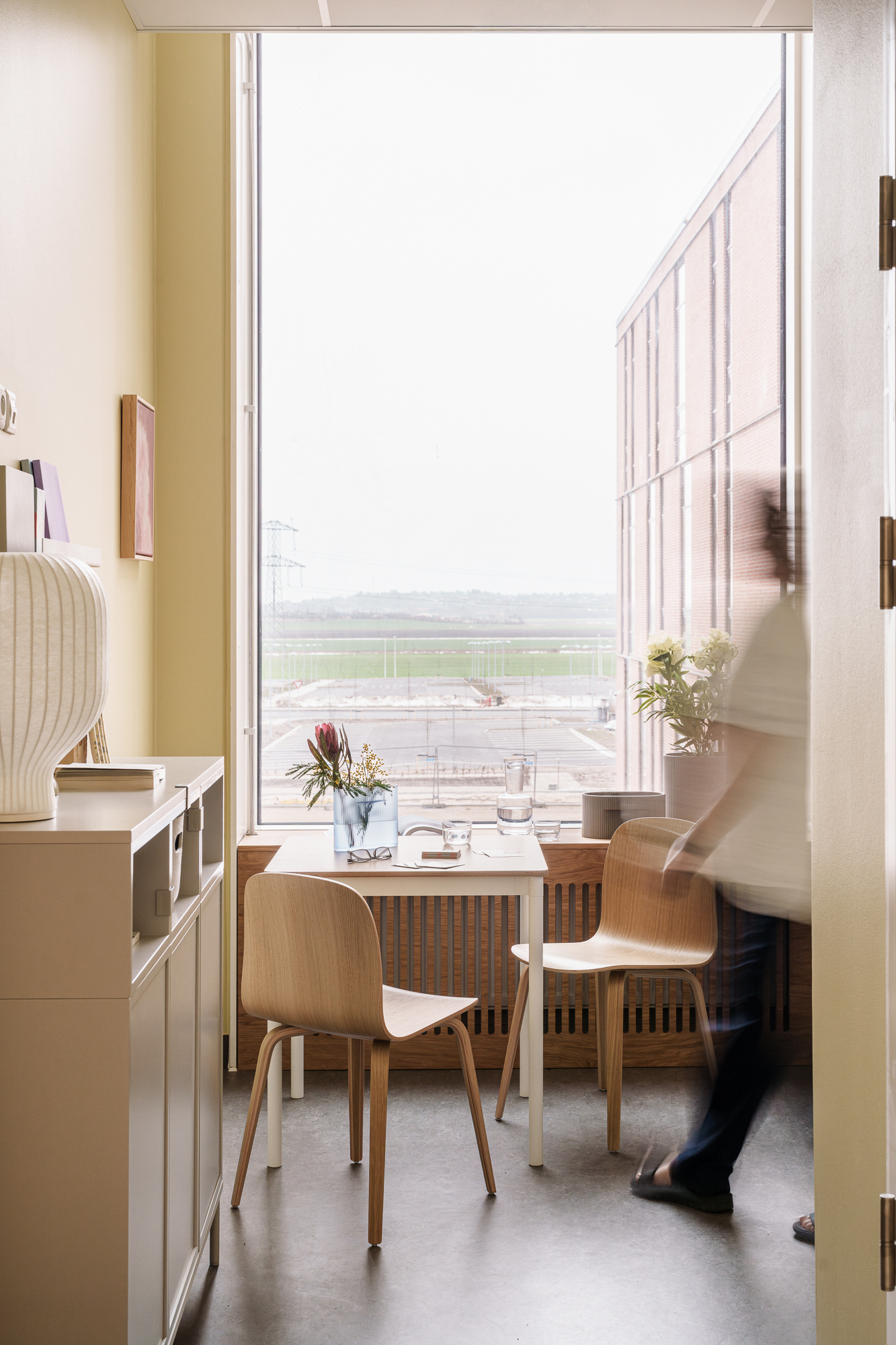
Yet, home feels different to everyone. The private rooms are designed to be flexible and customizable, allowing patients and families to personalize them with artwork, personal objects, photos, sound, and lighting. This personalization is key to transforming an institutional space into a familiar, comforting environment, essential for the well-being of those who spend time here.
“Form, furniture, and objects are chosen for their ability to create a home-like atmosphere, with simplicity and elegance as guiding principles, avoiding sharp edges and harsh lines. Natural materials, such as wood and textiles, add warmth and texture, creating a comforting environment. Light is managed carefully, with large windows allowing for natural daylight while also ensuring privacy.”
A good home is well taken care of, and this is the feeling they aspire to create across the space. A sense that everything is in order, clean, but not sterile, up to date, and in a good place. The interior is a blank slate for the patient to take on. This idea affirms and embodies Susan Magsamen’s statement that ‘integration of these neuroaesthetic principles to foster a home-like environment can increase patient and family satisfaction and comfort.’
Neuroaesthetic principles into action
Certain objects and the use of natural materials carry a deeper meaning, fostering ease of mind and body while creating space for reflection. These elements go beyond decoration, helping to create an environment conducive to healing and comfort. Colors are kept minimal, focusing on soft, neutral tones.
“We use color to evoke a sense of calm and restoration. Soft, neutral tones dominate the interior, providing a soothing backdrop that does not overwhelm the senses. They are less likely to clash with the diverse preferences of our patients. Color is very subjective—some find comfort in soft tones, others might not—but we wanted to avoid anything too stark or unsettling,” says Tingrupp.
Anyone visiting the hospice will notice the distinctive and thorough use of artwork in patient and treatment rooms as well as communal areas. Sculptures, tapestries, drawings, and paintings dot the space, bringing with them a sense of energy and resonance.
“Certain aesthetic experiences, such as interacting with nature, creating music, or viewing art, may trigger the release of neurochemicals like endorphins (associated with pleasure) and oxytocin (associated with bonding and relaxation). These hormones can improve mood and contribute to a sense of safety, which is particularly valuable in hospice care,” explains Magsamen.
Diakonissestiftelsen works with curators and the immense collection of Ny Carlsberg Foundation to select artwork that is both visually intriguing and thought-provoking, intended to gently engage.
“This space is our own interpretation of the care environment, and we hope it feels refreshing and somewhat surprising... it challenges the notion that a hospice should only be a place of sorrow.” says Tingrupp.
“Certain aesthetic experiences, such as interacting with nature, creating music, or viewing art, may trigger the release of neurochemicals like endorphins (associated with pleasure) and oxytocin (associated with bonding and relaxation). These hormones can improve mood and contribute to a sense of safety, which is particularly valuable in hospice care,”Magsamen