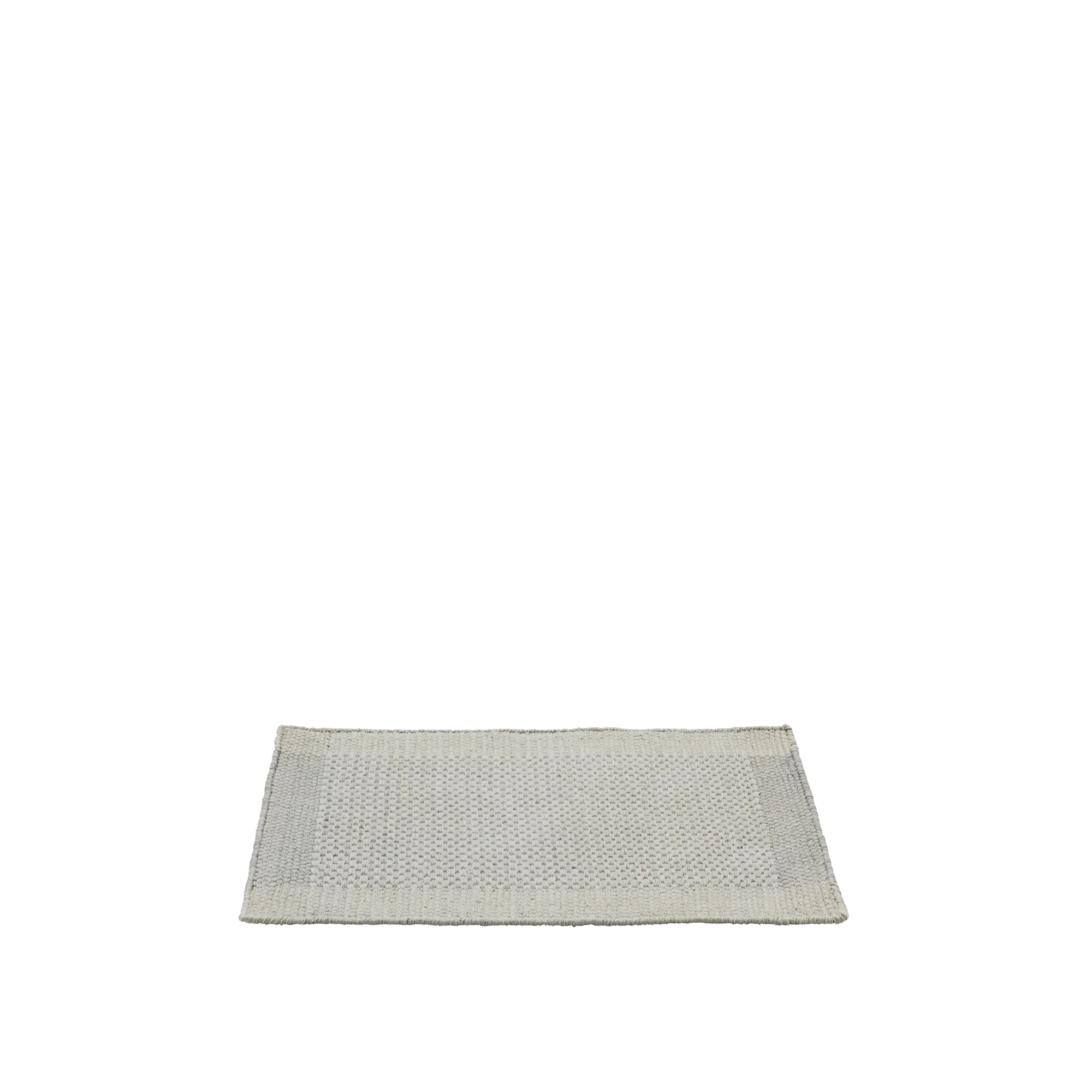
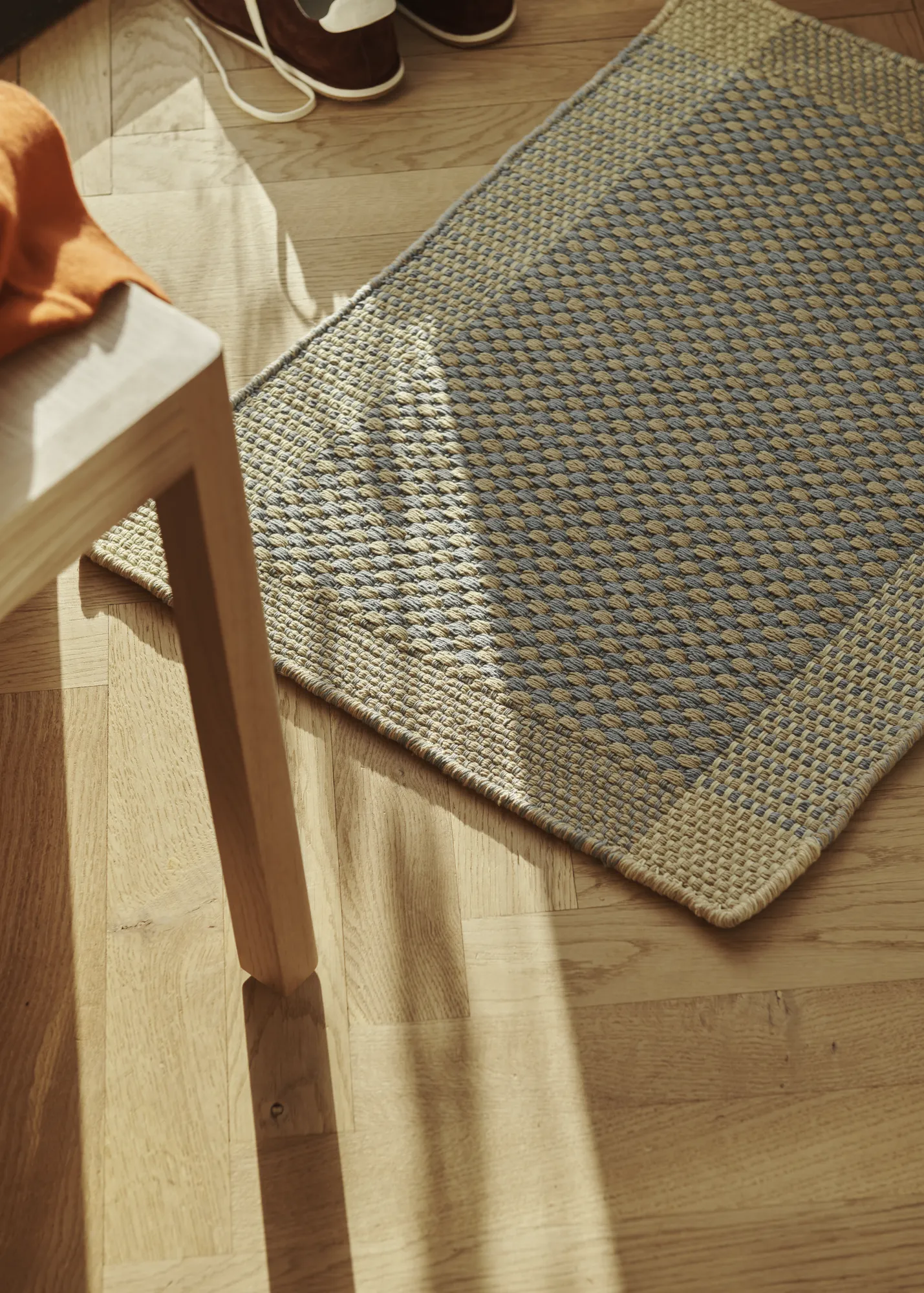
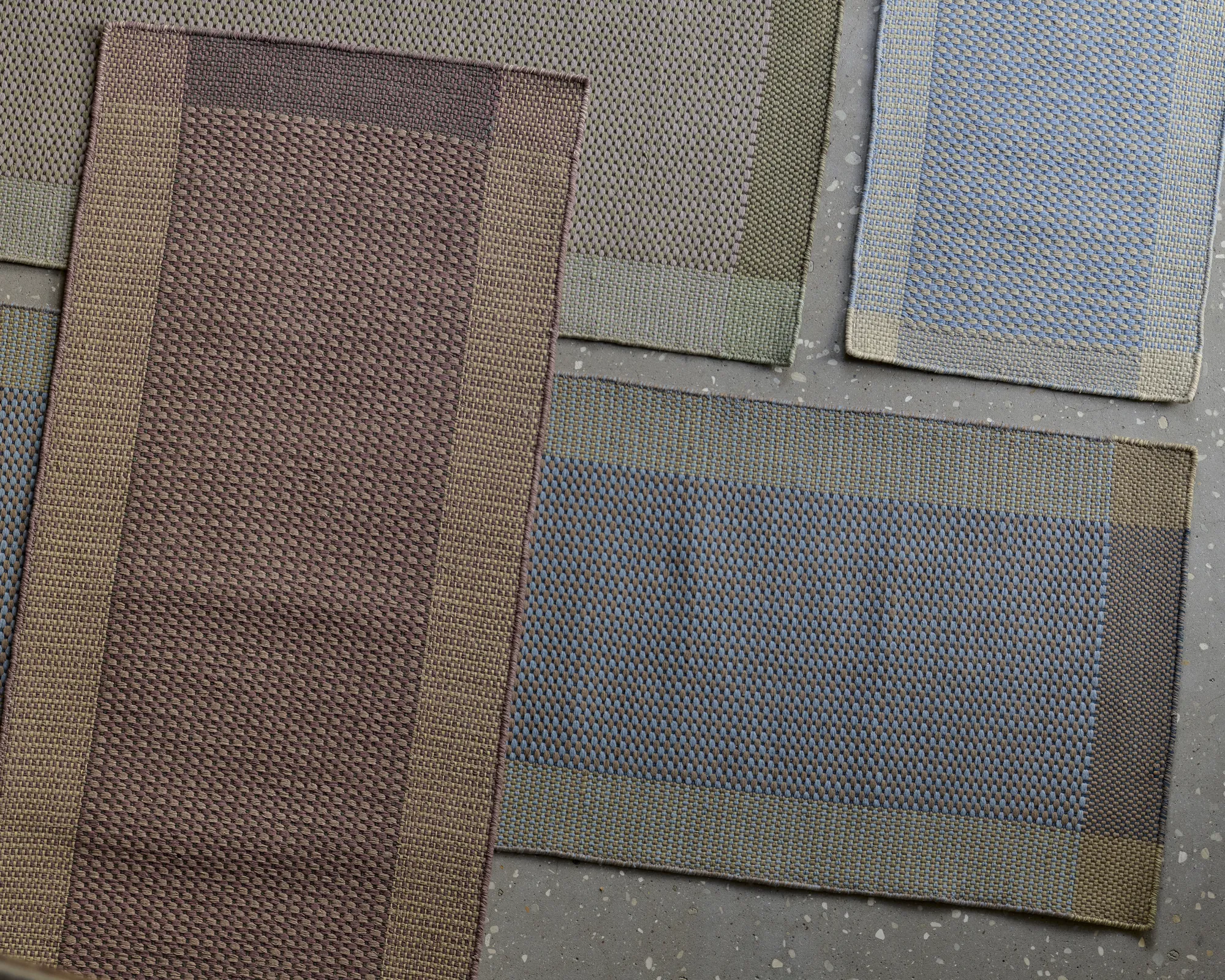
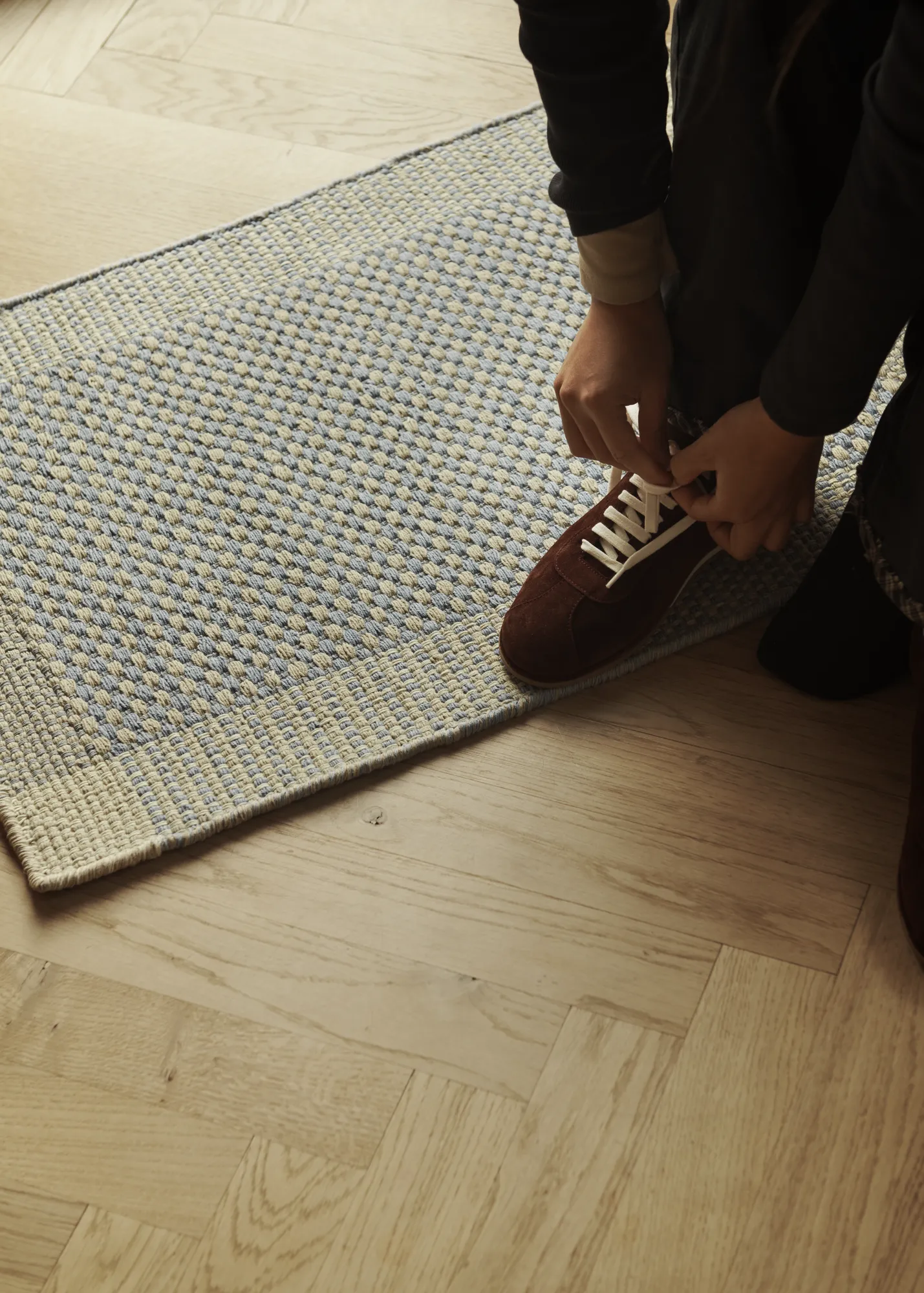
Regular maintenance and correct stain removal should be carried out to extend the lifespan of the cotton rug and protect its backing.
General Care & Maintenance:
Vacuuming: The rug should be vacuumed regularly using a flat nozzle without a rotating brush, as brushes may pull out threads.
Shaking: The rug should be gently shaken outdoors to remove loose dirt. Heavy beating should be avoided if the backing is stiff.
Machine Washing: Rugs with backing must not be machine washed, as water and movement may cause the glue or rubber to crumble, crack, or shrink.
Moisture: Excessive water should be avoided, and moisture should not be allowed to penetrate the backing.
Drying: The rug should not be tumble-dried or placed on a hot radiator. The rug should always be air-dried flat.
Stain Removal (Liquids):
Stains should be treated immediately by blotting with a paper towel. The surface should not be rubbed, as this may push the liquid deeper into the cotton fibersand backing.
Red Wine: The liquid should be absorbed immediately with a paper towel until no further coloris transferred. A small amount of white wine or sparkling water may then be applied to help dissolve the red pigments through acidity or carbonation. The area should be blotted again with a dry cloth. If needed, potato starch may be sprinkled onto the damp stain to absorb remaining color. The starch should be vacuumed once completely dry.
Coffee & Tea: The liquid should be absorbed immediately with paper towel. The stain should then be blotted with a cloth dampened with lukewarm water and wrung out thoroughly. For stubborn stains, a drop of clear dish soap or liquid glycerinsoap may be applied directly to the affected area and left for 10–15 minutes. The area should then be blotted with a cloth wrung out in cold water to remove any soap residue.
Grease & Oil (Food Stains): A single drop of clear, colorlessdish soap should be applied directly to the stain to break down the grease and left for 10 minutes. The area should then be blotted with a cloth wrung out thoroughly in lukewarm water until the soap is completely removed.
Heavy Dirt (Mud & Road Salt):
Mud & Dirty Shoes: Wet mud should be allowed to dry completely before cleaning, as rubbing may push dirt deeper into the fibersand cause permanent grey stains. Once the mud has formed a dry crust, the rug should be turned face down and gently tapped on the back to loosen the dirt. The rug should then be shaken thoroughly outdoors and vacuumed slowly with a flat nozzle to remove loose soil particles from the base of the fibers. Any remaining residue should be removed using foam made from lukewarm water and a small amount of clear dish soap. Only the foam should be applied with a microfiber cloth, and the affected area should be gently wiped downwards and blotted dry.
Road Salt (Winter Care):
Salt should be removed promptly, as it binds to cotton fibersand cannot be removed by vacuuming. If left untreated, salt may dry out the fibersand dissolve the backing glue. A solution of equal parts clear white vinegar and lukewarm water should be prepared in a bowl or spray bottle. The solution should be applied sparingly using a clean, damp cloth or lightly sprayed onto the salt ring without soaking the rug. The solution should be left for 5–10 minutes before the area is firmly blotted with a dry cloth or heavy paper towel to absorb the dissolved salt. The area should then be blotted with a cloth wrung out in clean, cold water. To remove remaining moisture, a dry towel should be placed over the affected area and weighted down with a heavy object, such as a book protected in a plastic bag, to draw moisture upwards and away from the backing.